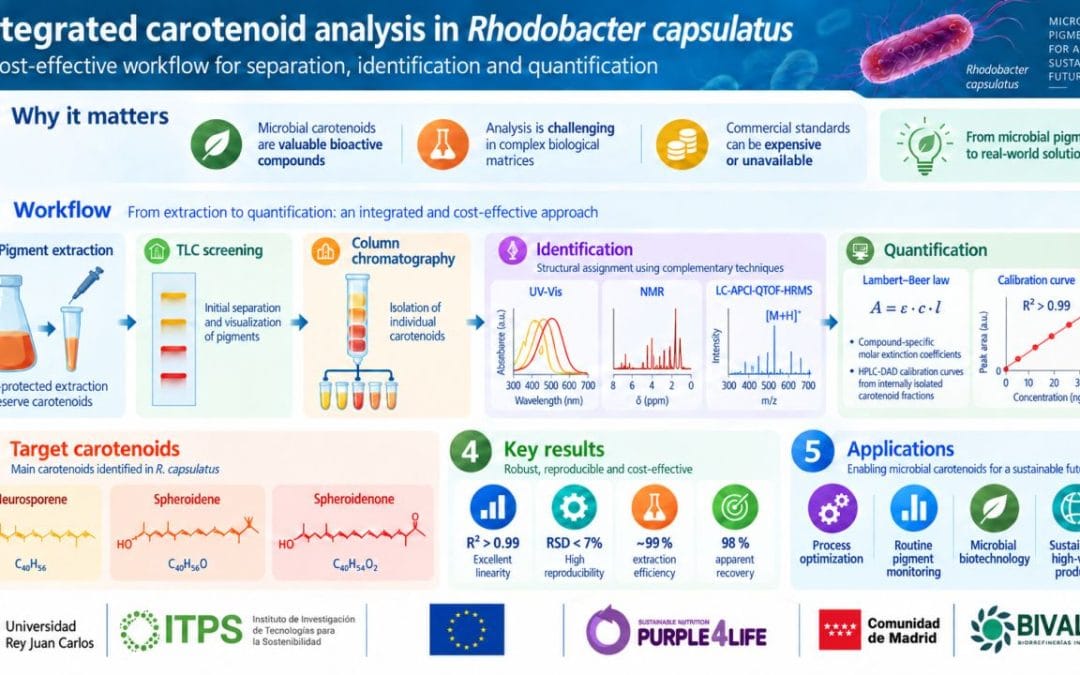
Researchers from Universidad Rey Juan Carlos, working within the Purple4Life consortium, have published in MethodsX an integrated analytical workflow for the extraction, isolation, identification and quantification of carotenoids produced by Rhodobacter capsulatus....
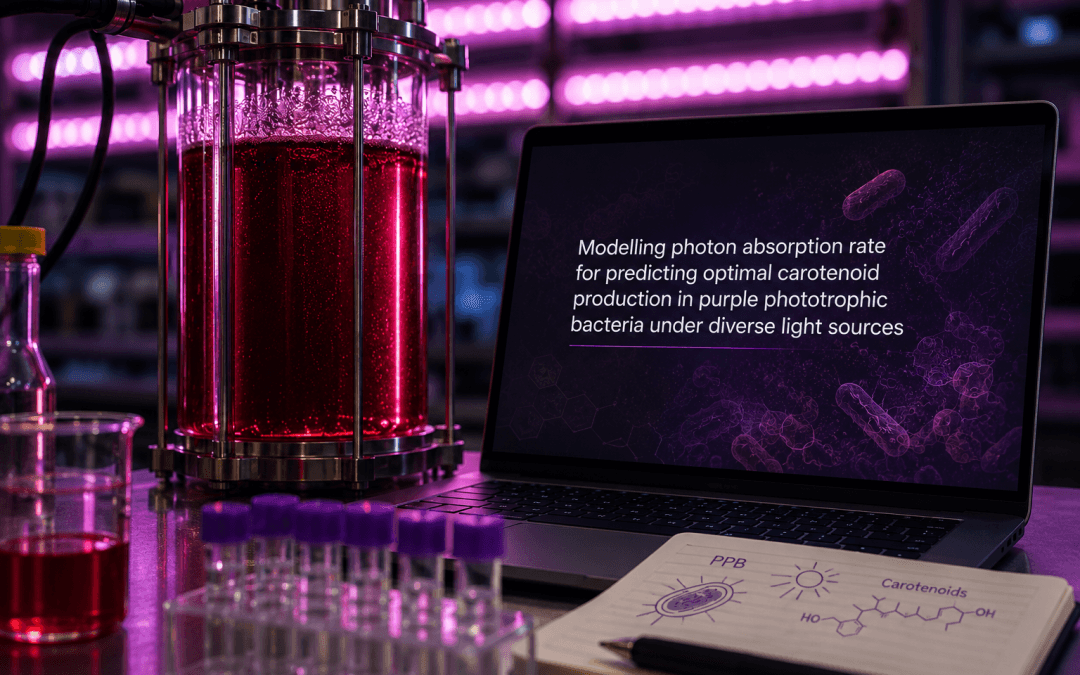
A new research article authored by members of the PURPLE4LIFE consortium has been published in Bioresource Technology, addressing one of the central questions in the development of purple phototrophic bacteria (PPB) as a source of high-value compounds: how these...
CNR Advances Food Safety Research on PPB Strains with Novel Cell-Based Testing
PURPLE4LIFE continues to strengthen its scientific foundation for the development of safe and sustainable food and feed solutions based on Purple Phototrophic Bacteria (PPB). At the National Research Council (CNR), Institute of Sciences of Food Production in Lecce, Italy, project researchers are conducting advanced food safety assessments focused on the potential cytotoxicity of selected PPB strains.
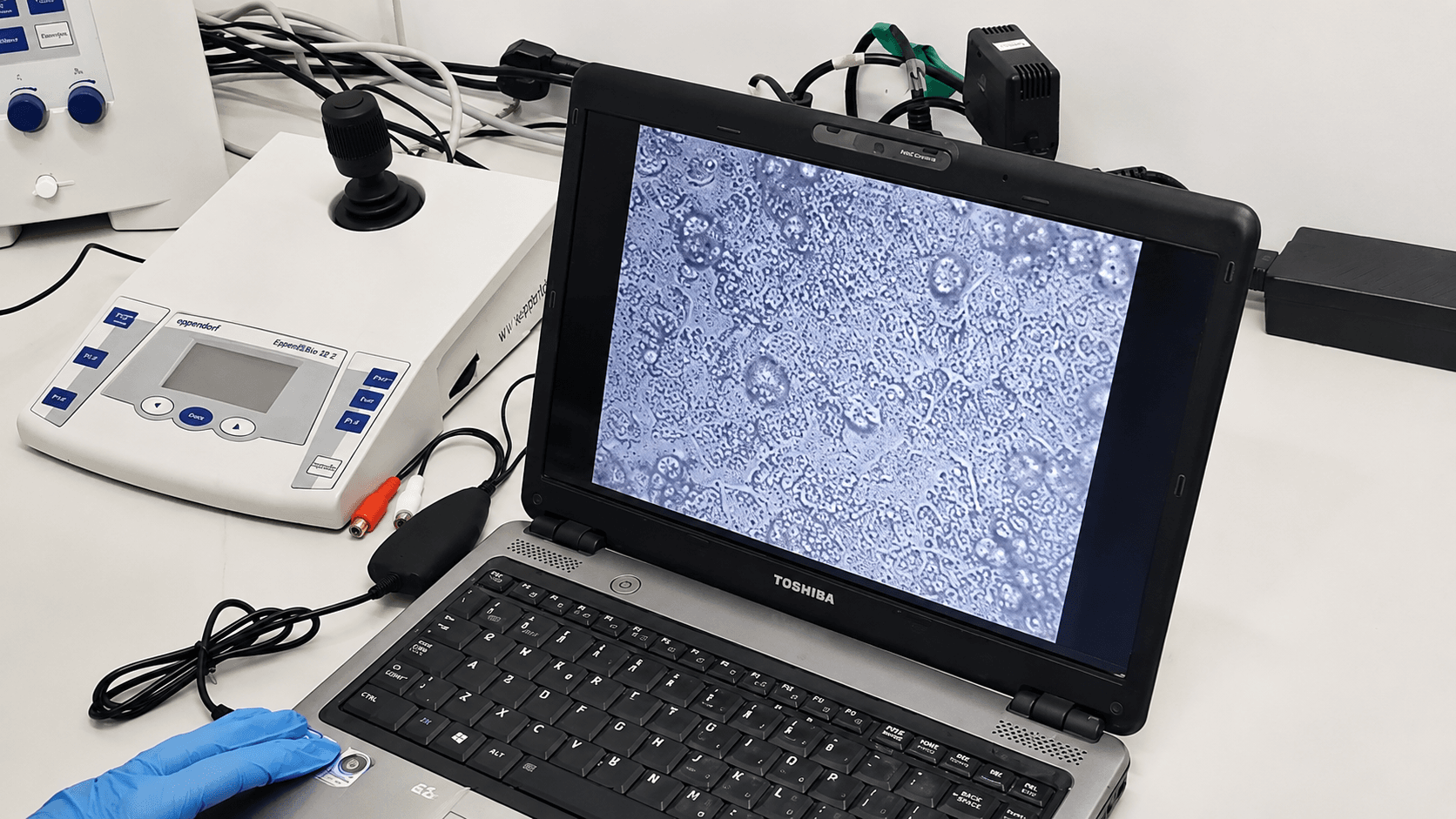
As part of this work, CNR researchers are evaluating PPB-derived materials using standardized human cell line systems. The selection of appropriate cell cultures is guided by specific experimental requirements to ensure robust and reproducible results. Among the models used is the Caco-2 epithelial cell line, derived from colorectal adenocarcinoma, widely recognised as a validated intestinal model for food safety studies. In the experimental workflow, cells are seeded into 96-well plates and exposed to extracts from selected PPB strains at varying concentrations. This enables dose-response analysis to assess potential biological effects under controlled laboratory conditions.
To quantify outcomes, researchers apply the MTS assay, a widely used method for measuring cell viability. In parallel, cell morphology is examined to identify any additional biological responses. These combined approaches provide a comprehensive evaluation of PPB interactions at cellular level, supporting the safe development of this novel biological resource.This research activity represents a key step within PURPLE4LIFE’s broader objective of ensuring that PPB-based innovations meet the highest food safety standards while enabling their future application in sustainable food and feed systems.
See the video to learn more about the lab work in action:
By Antonella Leone (CNR)
Manage Consent
To provide the best experiences on purple4life.eu, we use technologies like cookies to store and/or access device information. Consenting to these technologies allows us to process data such as browsing behaviour or unique identifiers on this website. Not consenting or withdrawing consent may adversely affect certain features and functionalities.
Functional
Always active
The technical storage or access is strictly necessary for the legitimate purpose of enabling the use of a specific service explicitly requested by the subscriber or user, or for the sole purpose of carrying out the transmission of a communication over an electronic communications network.
Preferences
The technical storage or access is necessary for the legitimate purpose of storing preferences that are not requested by the subscriber or user.
Statistics
The technical storage or access that is used exclusively for statistical purposes.The technical storage or access that is used exclusively for anonymous statistical purposes. Without a subpoena, voluntary compliance on the part of your Internet Service Provider, or additional records from a third party, information stored or retrieved for this purpose alone cannot usually be used to identify you.
Marketing
The technical storage or access is required to create user profiles to send advertising, or to track the user on a website or across several websites for similar marketing purposes.