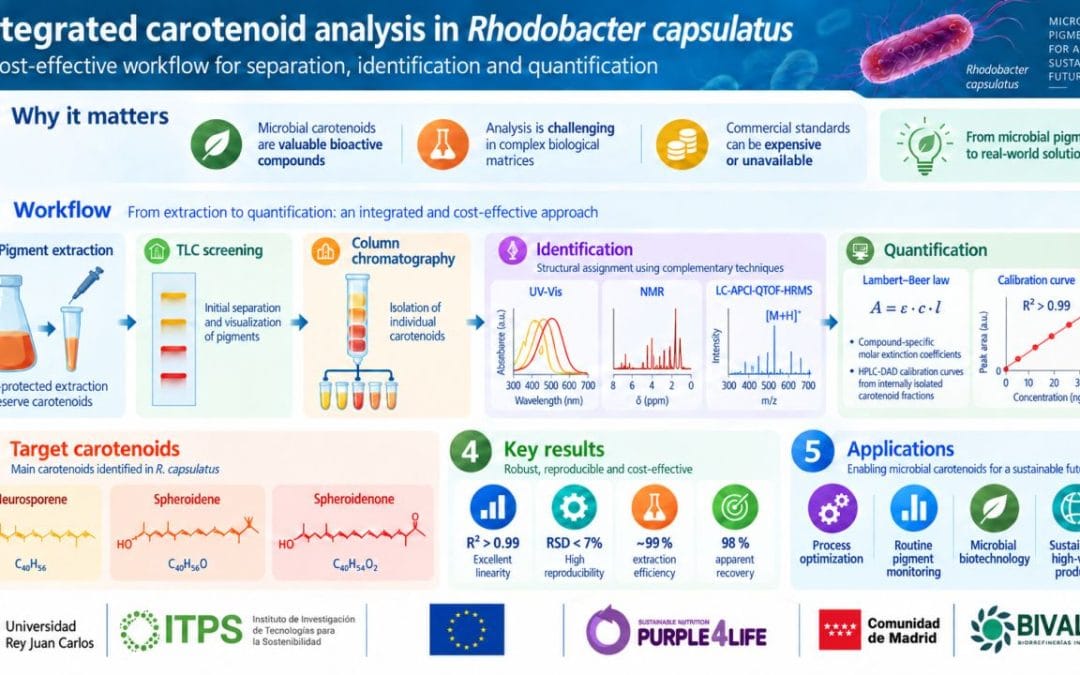
Researchers from Universidad Rey Juan Carlos, working within the Purple4Life consortium, have published in MethodsX an integrated analytical workflow for the extraction, isolation, identification and quantification of carotenoids produced by Rhodobacter capsulatus....
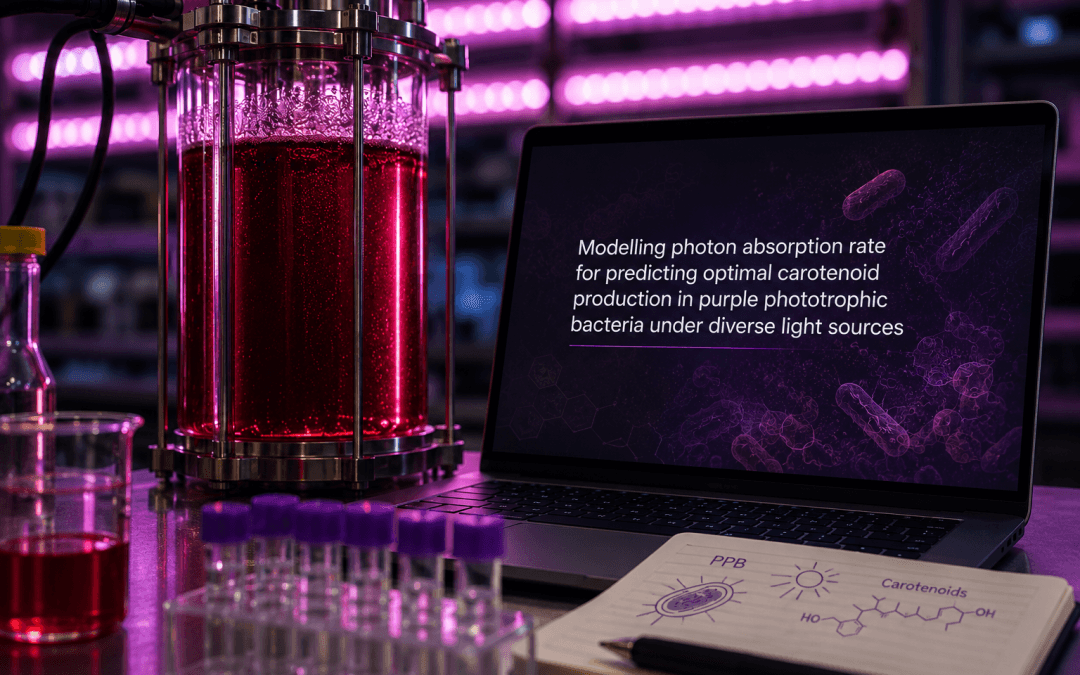
A new research article authored by members of the PURPLE4LIFE consortium has been published in Bioresource Technology, addressing one of the central questions in the development of purple phototrophic bacteria (PPB) as a source of high-value compounds: how these...
Project Technology Highlight: Fraunhofer IMTE’s Expertise in Evaluating PPB as a Functional Feed Ingredient for Salmonids
Within the Purple4Life project, Fraunhofer IMTE plays a role in the feed application of purple phototrophic bacteria (PPB) by contributing its expertise in fish nutrition and health. A key part of their work involves evaluating how innovative functional ingredients — particularly PPB — affect fish growth performance, health status, welfare, and overall product quality. This includes assessing both physiological responses and potential benefits for sustainability and feed efficiency. This research phase is essential for establishing the scientific basis needed to safely implement PPB as a sustainable alternative to traditional antioxidants in aquaculture nutrition.
What is being developed
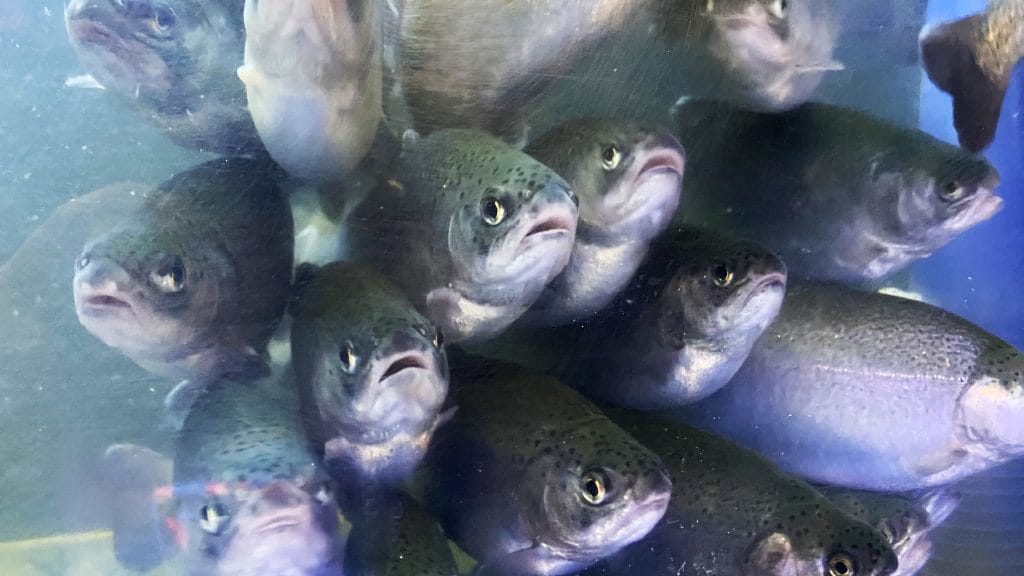
In cooperation with Nofima, Fraunhofer IMTE will evaluate the potential of PPB as a functional feed ingredient for salmonid species in aquaculture. Fraunhofer IMTE will focus on rainbow trout and test experimental diets with different inclusion rates of PPB (formulated and produced by Nofima).
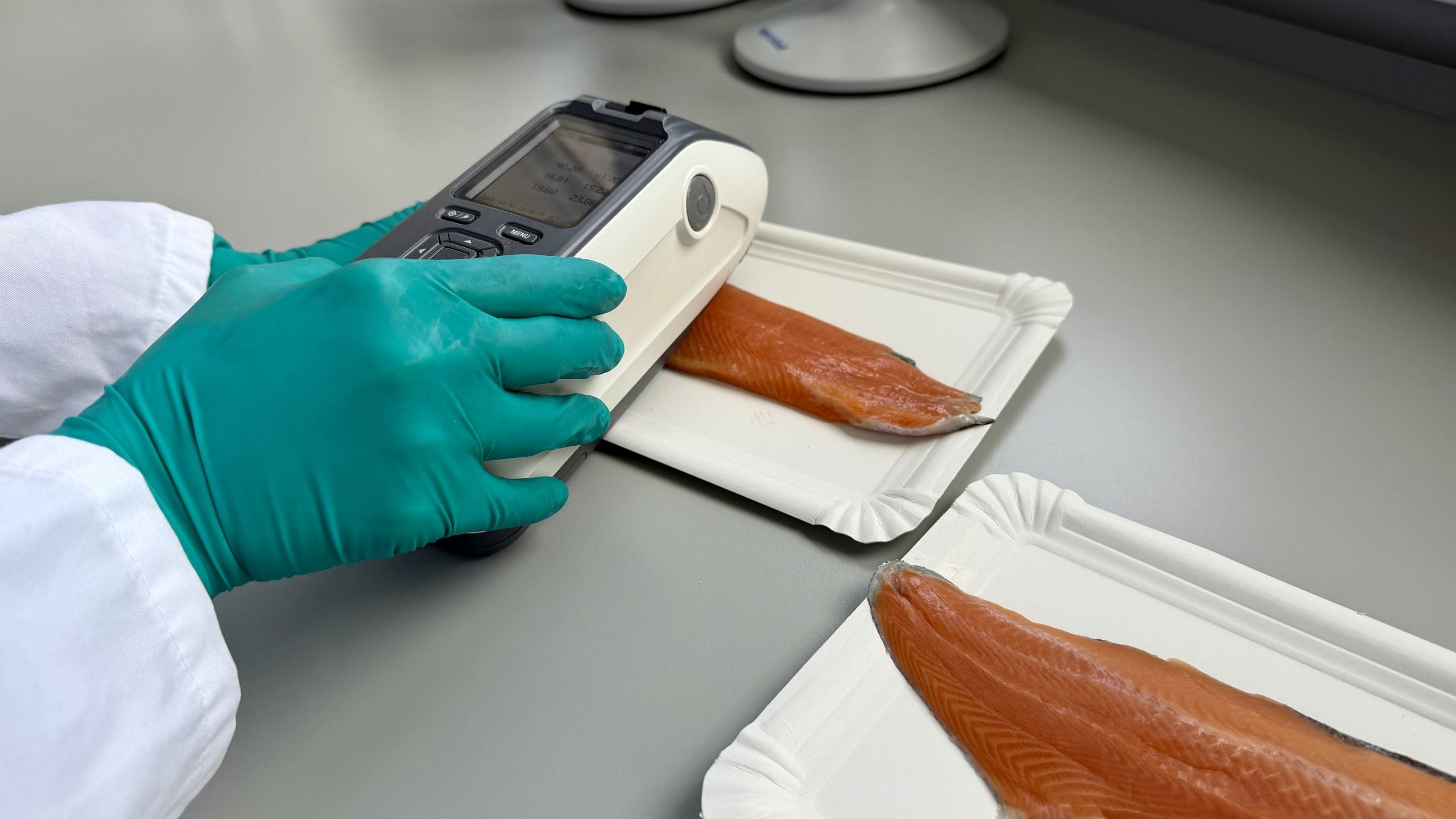
The research trials will consider different size-stages of rainbow trout and their responses to PPB-included diets. This includes the digestibility, growth performance, overall health as well as gut health status, antioxidant status and mitochondrial activity. Fillet quality is a key parameter for aquaculture production, and its parameters will be thoroughly tested, including colouration and texture analysis as well as carotenoid and coenzyme Q10 concentrations.
Why it matters
Current challenges in aquaculture production include maintaining high survival and consistent growth performance under production conditions that expose the fish to various physiological stressors. Although rainbow trout do not undergo the drastic freshwater–seawater transition seen in Atlantic salmon, they are still highly sensitive to handling, crowding, temperature fluctuations, and other environmental pressures. These stressors increase oxidative stress, making a reliable supply of dietary antioxidants essential for supporting health, welfare, and product quality. As the sector moves toward more sustainable feed formulations, there is growing interest in replacing synthetic antioxidants with natural, biologically active alternatives such as purple phototrophic bacteria (PPB). For salmonids, another critical quality trait is fillet pigmentation. The characteristic pink to reddish colouration of trout fillets is derived from carotenoids—primarily astaxanthin—that must be supplied through the diet. Astaxanthin also acts as a potent antioxidant, and under stressful conditions, it may be diverted toward oxidative protection rather than pigmentation. This can reduce the amount available for deposition in the muscle, potentially resulting in paler fillets and diminished product quality.
The Purple4Life project aims to investigate whether CoQ10 and carotenoids naturally present in PPB can function as an effective antioxidant in rainbow trout. By reducing oxidative stress, CoQ10 may help preserve dietary astaxanthin for pigmentation rather than antioxidant defence, thereby supporting both fish health and fillet colour stability. Demonstrating such dual benefits would position PPB as a sustainable and functional alternative to conventional antioxidants in trout feeds, contributing to improved fish robustness and high quality aquaculture products.
Team perspective
PPB show a high potential as a functional feed ingredient for aquaculture feeds, which needs to be evaluated in terms of fish performance and health as well as fillet quality. The main objective is to fully investigate their application in salmonid feeds, focusing on rainbow trout aquaculture production.
What comes next
Feeding trials with juvenile rainbow trout will start once the PPB-included experimental diets are produced. With these trials, the potential of PPB as a functional feed ingredient can be thoroughly tested and evaluated to ensure their safe, suitable and sustainable feed application.
By Anna Simon (Fraunhofer IMTE)
Manage Consent
To provide the best experiences on purple4life.eu, we use technologies like cookies to store and/or access device information. Consenting to these technologies allows us to process data such as browsing behaviour or unique identifiers on this website. Not consenting or withdrawing consent may adversely affect certain features and functionalities.
Functional
Always active
The technical storage or access is strictly necessary for the legitimate purpose of enabling the use of a specific service explicitly requested by the subscriber or user, or for the sole purpose of carrying out the transmission of a communication over an electronic communications network.
Preferences
The technical storage or access is necessary for the legitimate purpose of storing preferences that are not requested by the subscriber or user.
Statistics
The technical storage or access that is used exclusively for statistical purposes.The technical storage or access that is used exclusively for anonymous statistical purposes. Without a subpoena, voluntary compliance on the part of your Internet Service Provider, or additional records from a third party, information stored or retrieved for this purpose alone cannot usually be used to identify you.
Marketing
The technical storage or access is required to create user profiles to send advertising, or to track the user on a website or across several websites for similar marketing purposes.