The Purple4Life project has taken an exciting step forward with the article publication of its work in Aquaculture Europe (Vol. 50, Issue 2, September 2025).
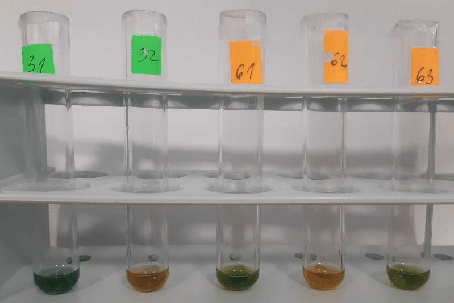
The article, “Turning Light into Life: Sustainable Production of Purple Bacteria for Future Food and Feed”, highlights how the project is paving the way for sustainable food and feed solutions using Purple Phototrophic Bacteria (PPB).
Funded by the European Union through the CBE JU Call 2024, Purple4Life brings together 12 organisations across Europe, including Fraunhofer IMTE, Nofima, and the University of Mons, to explore how PPB can be developed into health-promoting, sustainable, and circular ingredients for food and aquaculture feed.
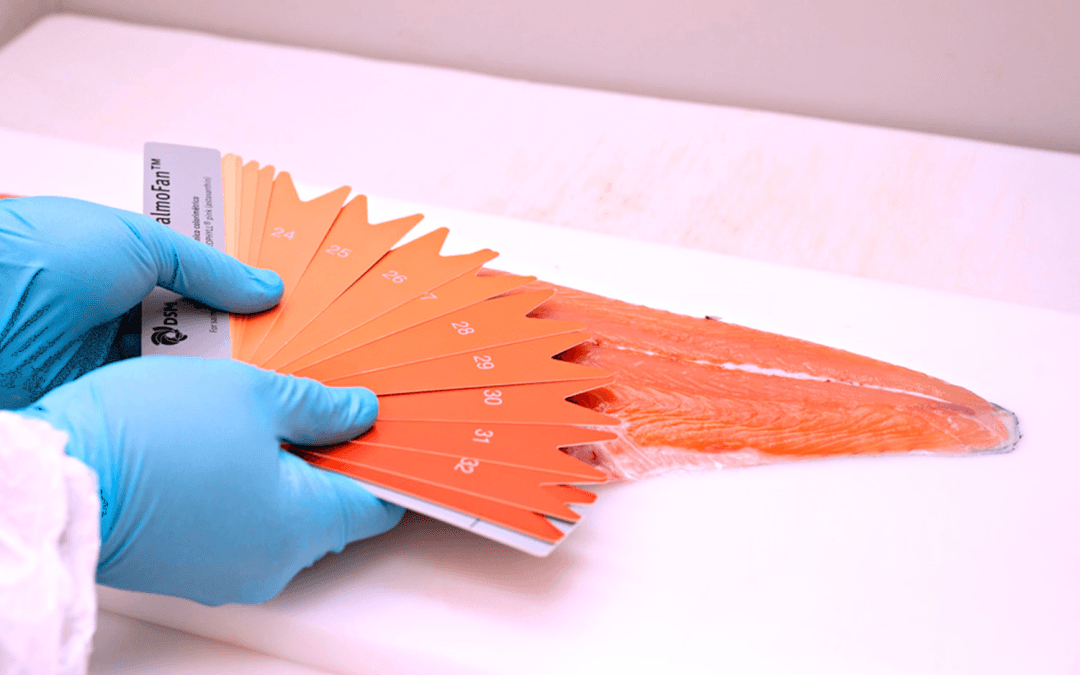
The article details the project’s ambitions to address pressing global challenges in agriculture and aquaculture. PPBs, with their exceptional metabolic versatility and near-100% carbon conversion efficiency, offer an environmentally responsible alternative to conventional food and feed resources. By focusing on compounds such as Coenzyme Q10 (CoQ10) and carotenoids, Purple4Life aims to improve both human nutrition and aquaculture production, particularly in salmon and trout farming, where improved resilience, pigmentation, and antioxidant support are critical.
The article can be accessed here in full providing a detailed look into the project’s objectives, experimental design, and its vision to contribute to Europe’s transition toward healthier, more sustainable food systems.
By Frederik Kaiser (Fraunhofer IMTE)