A new research article authored by members of the PURPLE4LIFE consortium has been published in Bioresource Technology, addressing one of the central questions in the development of purple phototrophic bacteria (PPB) as a source of high-value compounds: how these...
The 19th IWA World Conference on Anaerobic Digestion (IWA AD19) was held in Valencia, Spain, from 9 to 13 June 2026, bringing together international experts in anaerobic digestion and resource recovery. The event included participation from the Universidad Rey Juan...
Within the Purple4Life project, Nofima contributes its expertise in fish feed formulation and production, fish nutrition and the evaluation of how functional ingredients such as purple phototrophic bacteria (PPB) influence fish performance, health, welfare and product quality. This research step is crucial for enabling safe implementation of PPB as a sustainable alternative to conventional antioxidants in aquaculture diets
What is being developed
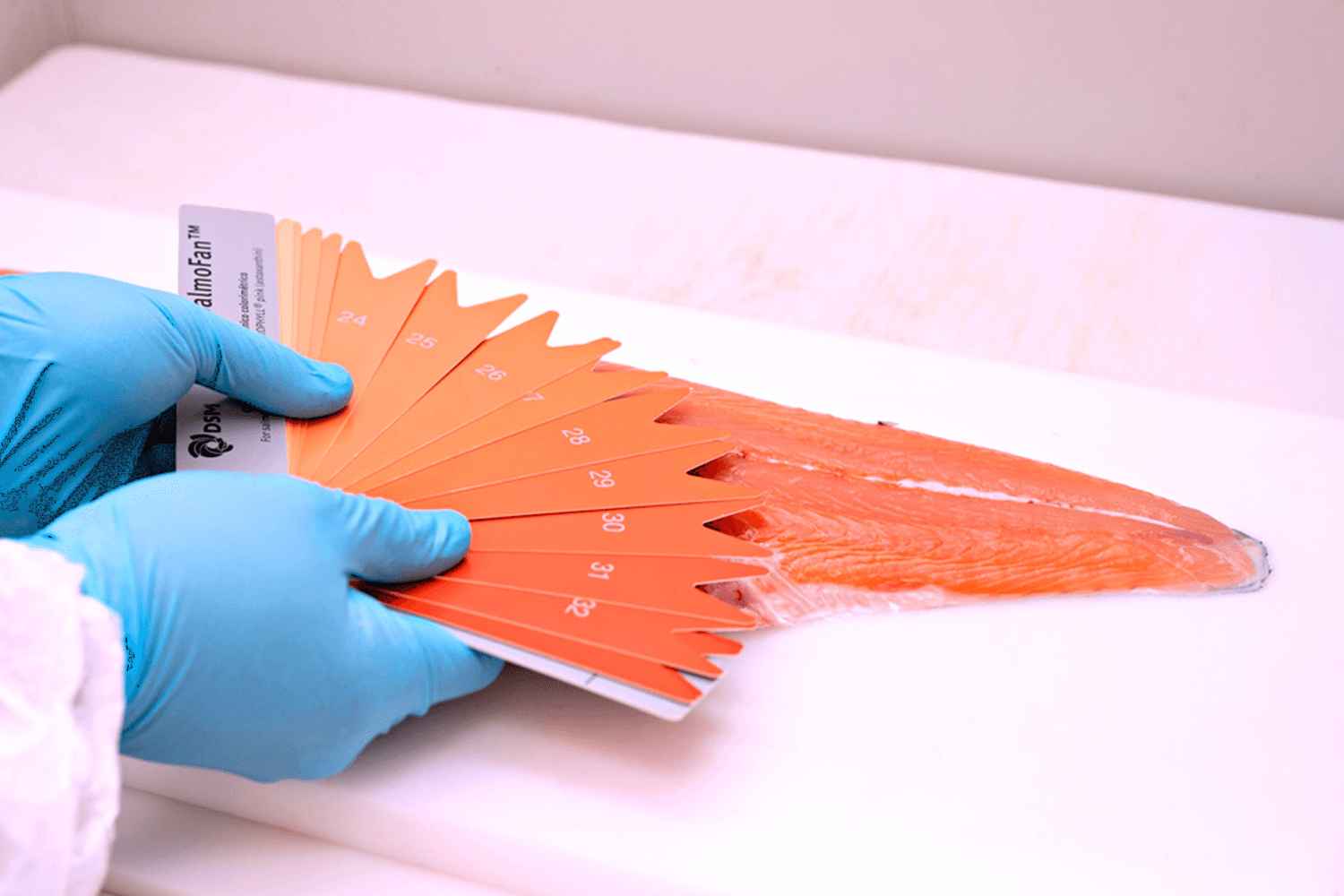
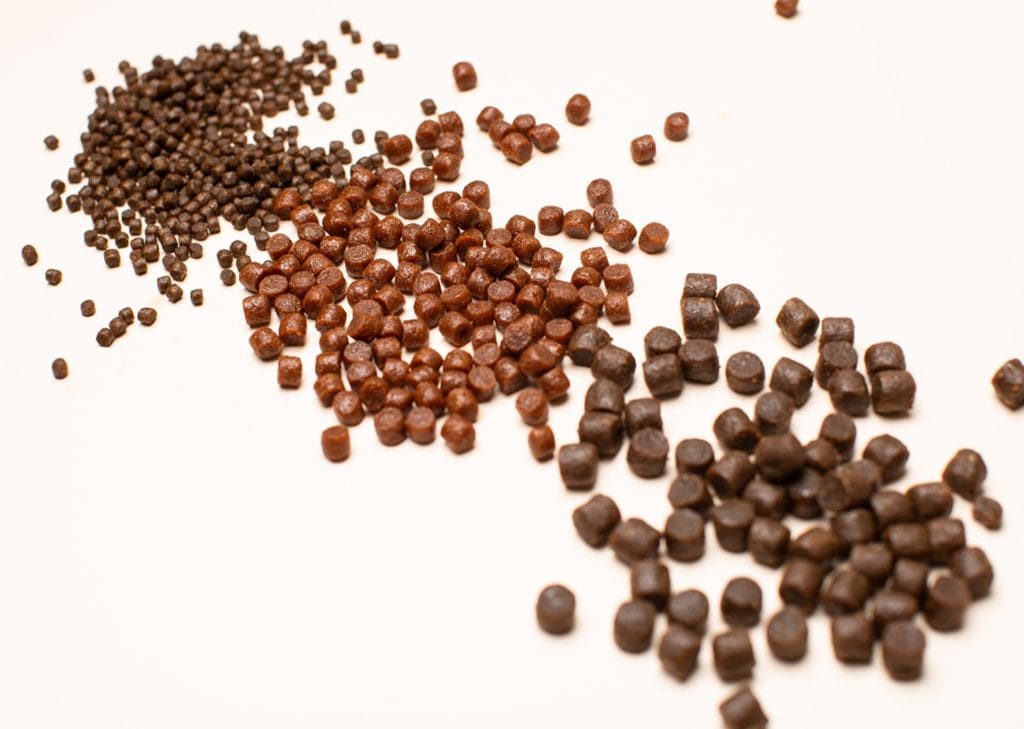
Nofima, in collaboration with Fraunhofer IMTE will evaluate the potential of using PPB as a functional feed ingredient for rainbow trout (Fraunhofer) and Atlantic salmon (Nofima). Experimental diets with different inclusion levels of PPB will be formulated and produced at Nofima’s Feed Technology center in Bergen. The diets will be fed to juvenile and grow-out stages of salmon under controlled conditions in tanks with strict control of environmental conditions and feed intake. The performance of the fish will be evaluated based on growth performance, health status, antioxidant status and mitochondrial activity. Muscle concentrations of carotenoids and coenzyme Q10 will be measured in muscle and other relevant tissues. Fillet quality parameters (color, texture, liquid loss) will be assessed, as the quality of the products is critical for consumer acceptance.
Why it matters
Current challenges in aquaculture include high mortality rates, particularly during the critical adaptation phase when juvenile salmon are transferred from freshwater to seawater, and the sustainable development of high-quality aquafeeds that secure fish growth, survival, and fillet quality. This increasingly involves transitioning from synthetic antioxidants in fish feed to natural alternatives like PPB.
Farmed fish require dietary antioxidants to combat oxidative stress from production operations and inflammatory diseases; innovative feed ingredients like PPB may contribute promisingly to addressing these challenges.
For salmonids, the feed must also provide the carotenoids that color the fillet, and the distinctive pink color of salmon and trout is an essential quality attribute highly valued by consumers. Carotenoids like astaxanthin act as strong antioxidants and may be depleted under stressful conditions, reducing their availability for fillet pigmentation—and potentially resulting in a paler fillet. Purple4Life will test whether CoQ10 in PPB acts as a powerful antioxidant, protecting fish against oxidative stress while potentially preserving astaxanthin in fillets from oxidation.
Team perspective
The main objective is to evaluate the beneficial effects of purple bacteria as a functional feed ingredient in salmonid fish and explore the potential for improving fish performance and fillet quality when facing challenging environmental conditions.
What comes next
The first task involves small-scale feed production for determining the CoQ10 stability during feed processing. This step is essential for determining the correct inclusion level of PPB in the dietary premixes prior to formulating diets for rainbow trout and salmon trials.
Trine Ytrestøyl (Nofima)
Manage Consent
To provide the best experiences on purple4life.eu, we use technologies like cookies to store and/or access device information. Consenting to these technologies allows us to process data such as browsing behaviour or unique identifiers on this website. Not consenting or withdrawing consent may adversely affect certain features and functionalities.
Functional
Always active
The technical storage or access is strictly necessary for the legitimate purpose of enabling the use of a specific service explicitly requested by the subscriber or user, or for the sole purpose of carrying out the transmission of a communication over an electronic communications network.
Preferences
The technical storage or access is necessary for the legitimate purpose of storing preferences that are not requested by the subscriber or user.
Statistics
The technical storage or access that is used exclusively for statistical purposes.The technical storage or access that is used exclusively for anonymous statistical purposes. Without a subpoena, voluntary compliance on the part of your Internet Service Provider, or additional records from a third party, information stored or retrieved for this purpose alone cannot usually be used to identify you.
Marketing
The technical storage or access is required to create user profiles to send advertising, or to track the user on a website or across several websites for similar marketing purposes.