PURPLE4LIFE Research Featured in The Conversation España: Exploring How Bacteria Can Produce Sustainable Antioxidants
Jul 16, 2026 | In the Media, News
A new article published in The Conversation España highlights PURPLE4LIFE research at Universidad Rey Juan Carlos, exploring how purple phototrophic bacteria can convert CO₂ into biomass and valuable antioxidants, supporting more sustainable food production and circular bioeconomy solutions.
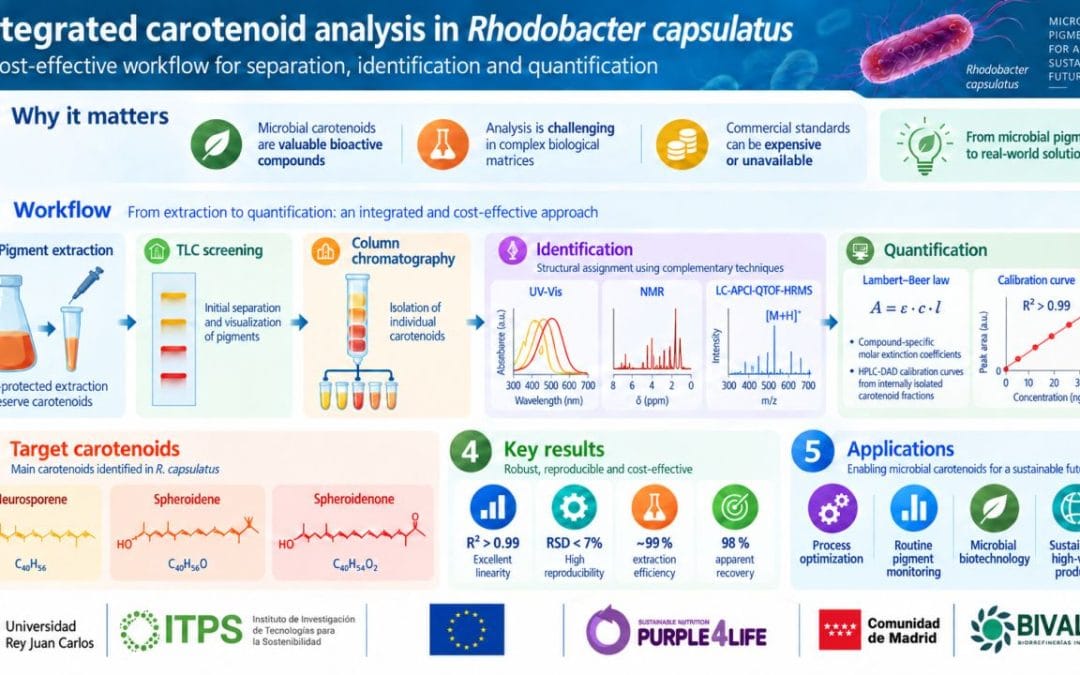
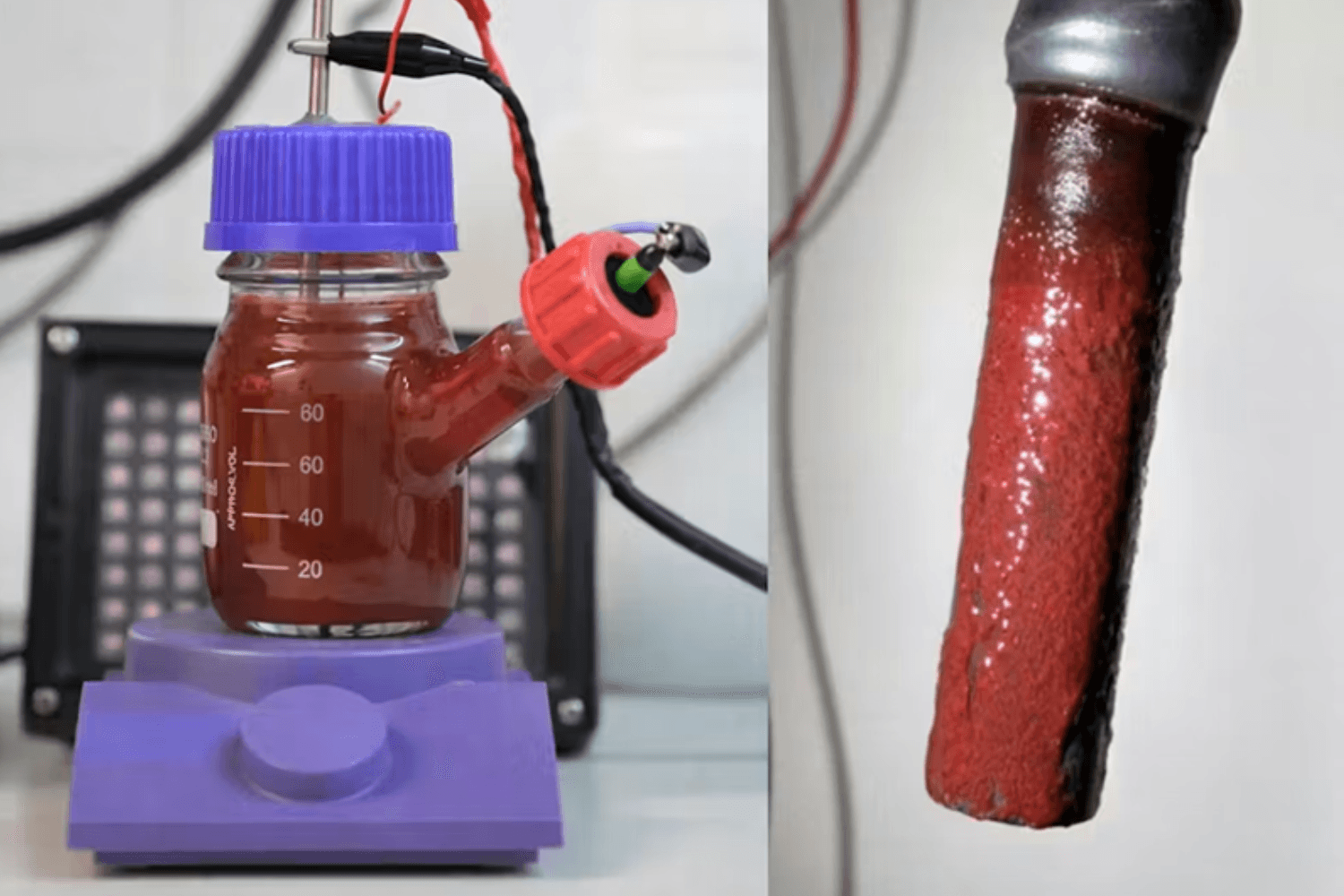
Research carried out within the PURPLE4LIFE project has been featured in The Conversation España through an outreach article examining how purple phototrophic bacteria (PPB) could contribute to the development of more sustainable food systems. The article was published in April 2026 by researchers from Universidad Rey Juan Carlos (URJC), one of the project partners. Authored by María José García López, Amanda Prado de Nicolás, and Daniel Melchor Puyol Santos, the article explores how PPB can be cultivated in bioelectrochemical systems to convert carbon dioxide into biomass and high-value compounds. The publication highlights ongoing research conducted by the Chemical and Environmental Technology team at URJC within the framework of PURPLE4LIFE.
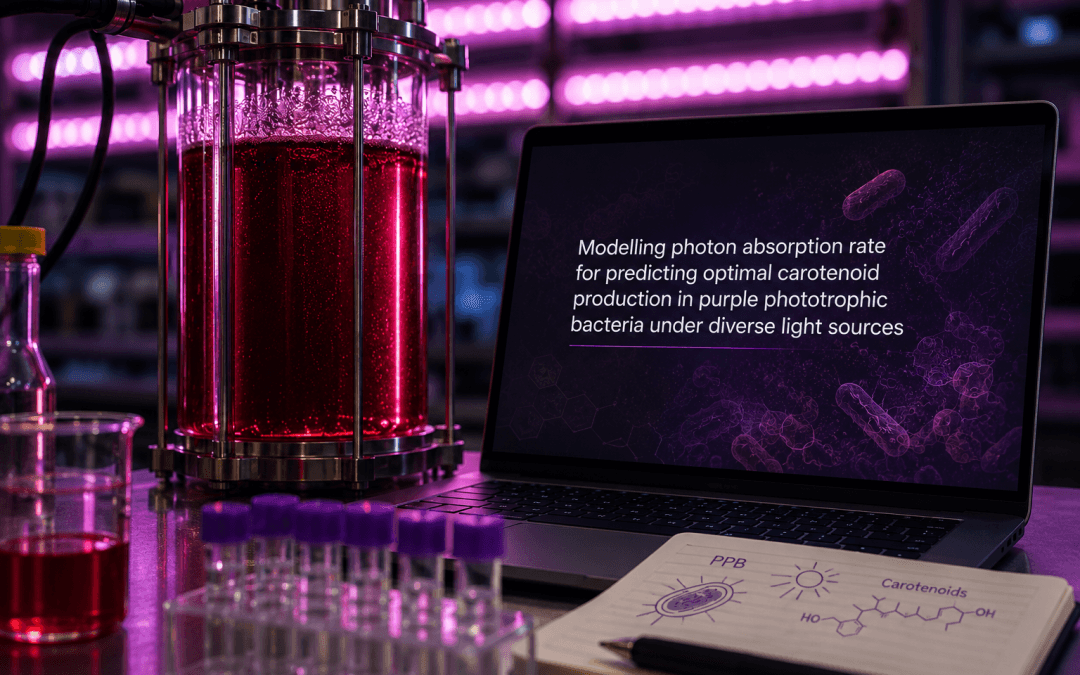
The article explains how PPB can grow using light as an energy source while receiving electrons from an electrode in a controlled bioelectrochemical system. This approach enables the bacteria to use carbon dioxide as their carbon source, reducing reliance on conventional substrates and opening new possibilities for more resource-efficient production processes. Beyond biomass production, the researchers describe the potential of PPB to produce compounds such as carotenoids and coenzyme Q10, both recognised for their antioxidant properties and widely used in food, pharmaceutical, and cosmetic applications. The work demonstrates how biotechnology can contribute to transforming carbon dioxide into valuable resources while supporting circular bioeconomy objectives.
The publication forms part of PURPLE4LIFE’s broader efforts to disseminate scientific knowledge and raise awareness of innovative approaches to sustainable food and feed production. By sharing research with a wider audience, the project contributes to informed discussions on the role of biotechnology in addressing environmental and food system challenges.
For further details, read the full article published in The Conversation España: https://theconversation.com/como-convertir-bacterias-en-fabricas-naturales-de-antioxidantes-275300
By Amanda Prado (URJC)