How does Purple4Life contribute to sustainability and circular bioeconomy?
Sep 15, 2025 | Project information
Purple4Life turns agri-food waste into proteins, vitamins, carotenoids, bioplastics and energy using purple bacteria, while treating water. Integrated in existing plants, it cuts energy and CO2, upcycles waste, and advances a circular, local, economically viable bioeconomy. With measurable impact!
Could the secret to sustainable nutrition be in our agri-food waste baskets? Most of us see factory waste as something we can’t avoid, but European researchers are discovering that these discarded materials could hold the key to revolutionary food production.
The circular bioeconomy is a game-changer in how we view waste and resources. Instead of the usual “take-make-dispose” model, this new approach turns waste streams into useful resources for keeping production going. Purple4Life is a great example of this change, showing how industrial waste can be turned into valuable product in a sustainable and economically viable way.
A fresh approach to handling resources
It’s a bit of a worrying cycle: companies dig up resources, make stuff, and then get rid of the waste, which ends up costing a lot. This linear approach uses up natural resources and creates more and more waste, which is bad for the environment.
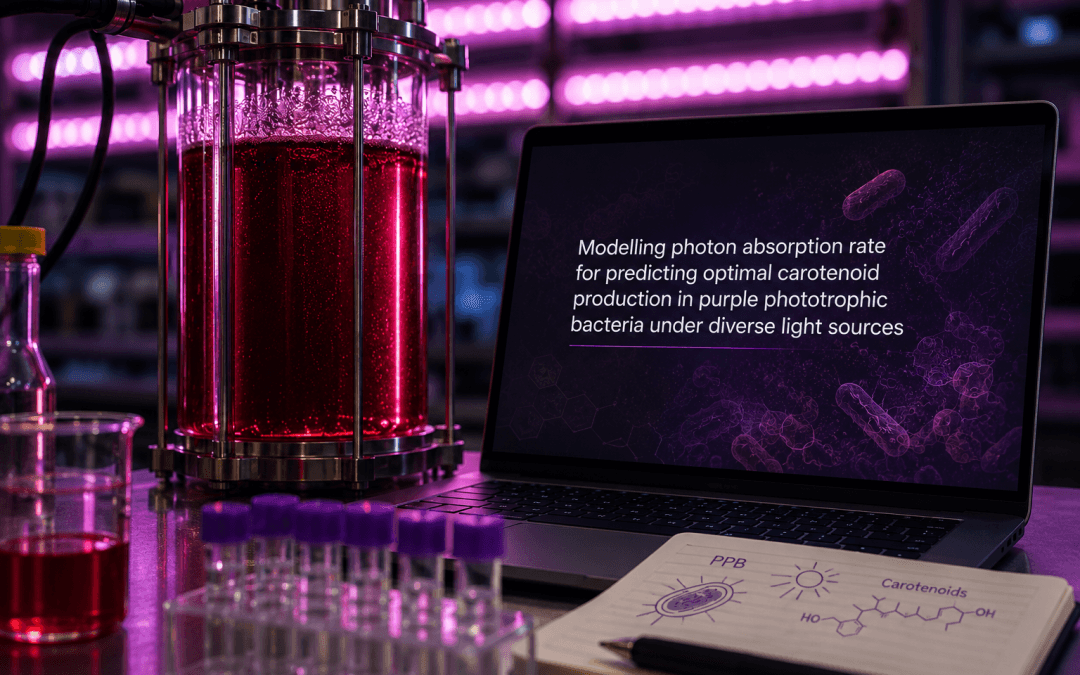
Purple4Life is a great example of this change, using purple non-sulfur bacteria (PNSB) as biological converters that do really well on agri-food waste streams. These microorganisms are like little metabolic superheroes – they can process volatile fatty acids, alcohols, sugars, and atmospheric CO2, turning these materials into valuable proteins, vitamins, and special health compounds.
What makes this approach so revolutionary is its multi-output capability. Traditional waste treatment just focuses on getting rid of stuff, but Purple4Life’s bacterial biorefineries clean up contaminated streams while producing top-quality nutritional ingredients. One culture can make water treatment services, animal feed proteins, human nutritional supplements, natural pigments, biodegradable plastics and renewable energy. Researchers call this “circular economy”, where one facility’s waste becomes another’s valuable input.
Measurable environmental impact
Purple4Life delivers quantifiable environmental benefits that extend way beyond traditional waste reduction. The project aims to cut electricity use for bacterial production by 50% by making lighting systems and reactor design better. Even better, it aims to cut CO2 emissions by 20-40% compared to regular production methods.
These reductions come from the bacteria’s special photosynthetic abilities, which capture carbon during growth and use waste streams as feedstocks. This is way better than traditional treatment systems. The project is all about making supply chains more circular, which means more recycling of feed and food additives – 20 to 50% more, in fact. This reduces the need to extract new resources from the environment in lots of different industries. The concept here even go beyond recycling, targeting the development of Upcycling process where the product has a high value than the waste it is made of.
Getting the market to accept Purple4Life and get the industry on board
The plan to make Purple4Life a success includes getting all the right people on board and aiming for 20% consumer acceptance rates by being open about how it’s made and what’s in it. The project uses existing European food safety rules and makes specific guidelines for ingredients that come from bacteria.
Industrial integration is all about adding bacterial production systems to existing processing facilities, which is good for everyone because it means less infrastructure investment and more waste valorisation opportunities. Aquaculture is a great example of how to get things right. By providing natural carotenoids that improve fish health and reduce reliance on synthetic additives, Purple4Life not only ticks all the boxes for industry sustainability goals, but also creates market demand.
Sparking big change
Purple4Life is about more than just what it’s done so far. It’s a real game-changer when it comes to getting the whole circular bioeconomy movement off the ground. The project shows how biotechnology can create industrial symbiosis networks and how to measure the benefits of the circular economy. This provides a framework for other initiatives to quantify sustainability contributions.
The combination of microbial biotechnology with existing infrastructure shows how circular transitions can happen without huge investments, making sustainable practices available to small and medium-sized enterprises. Purple4Life’s focus on local production is great news for European competitiveness and the environment, as it cuts down on the environmental impacts of long-distance transportation.
Purple4Life shows that the circular bioeconomy is about more than just the environment – it’s also a way to turn agri-food waste into useful resources in a economically viable way. Using cutting-edge biotech and working together with the right people, the project shows how science can deal with environmental problems and pave the way for innovative circular economy and a sustainable industrial future in Europe..
By Salim Kichouh Aiadi (UMONS)