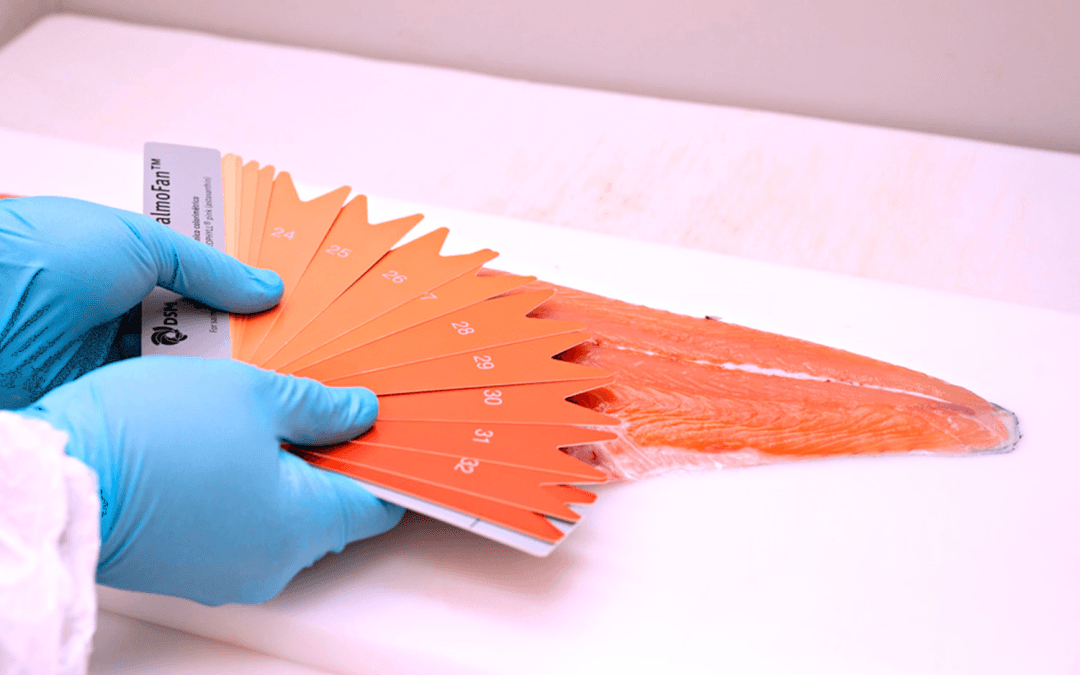
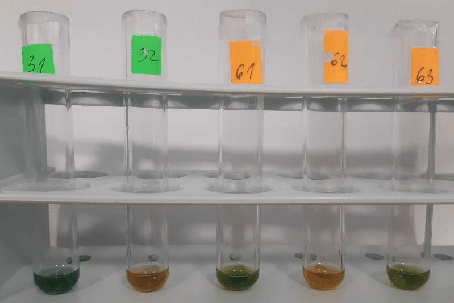
Within the Purple4Life project, Nofima contributes its expertise in fish feed formulation and production, fish nutrition and the evaluation of how functional ingredients such as purple phototrophic bacteria (PPB) influence fish performance, health, welfare and product...
Within the Purple4Life project, Comenius University, Faculty of Medicine (UNIBA), based in Bratislava, Slovakia, is an active participant in this European initiative. Our team contributes expertise in mitochondrial medicine, antioxidants, and oxidative stress. What is...
Project Technology Highlight: Imperial College London expertise
Within Purple4Life, our team at Imperial College London is working to understand how new PPB-based food and feed value chains perform when they move from lab-scale to real-world production. To support this transition, we are developing environmental, circularity, and social assessments that quantify the true impacts and benefits of PPB across its entire lifecycle.
Our role is not to grow the bacteria, but to evaluate how different technological decisions influence sustainability outcomes, by transforming the complex experimental and modelling outputs into comparable indicators and clear evidence. The aim is to use these indicators to demonstrate when PPB cultivation is genuinely sustainable, highlighting how these systems can scale responsibly into the food and feed sectors.
What is being developed
At Imperial College, we are developing a suite of Life Cycle Assessment (LCA), Circularity Assessment, and Social Life Cycle Assessment (S-LCA) models that evaluate the new PPB-based value chains developed within Purple4Life. With LCA, we assess environmental impacts such as energy demand, carbon emissions, and resource use, whilst comparing different reactor illumination strategies, feeding regimes, and carbon sources. In parallel, we apply emerging ISO 59020 circularity indicators to evaluate how well PPB processes recover resources, minimise waste, and retain value across the system. S-LCA complements this by examining social risks and opportunities along the new supply chains, helping identify where PPB products reduce employment or health and safety risks compared to other conventional ingredients.
Using data generated across the project, from cultivation strategies and reactor operation to downstream processing and product formulation, we are building quantitative models that reveal how sustainable, circular, and socially responsible each PPB production route truly is. These assessments do not just describe impacts; they guide optimisation by showing which process choices matter most, where trade-offs arise, and how improvements translate into real-world sustainability gains.
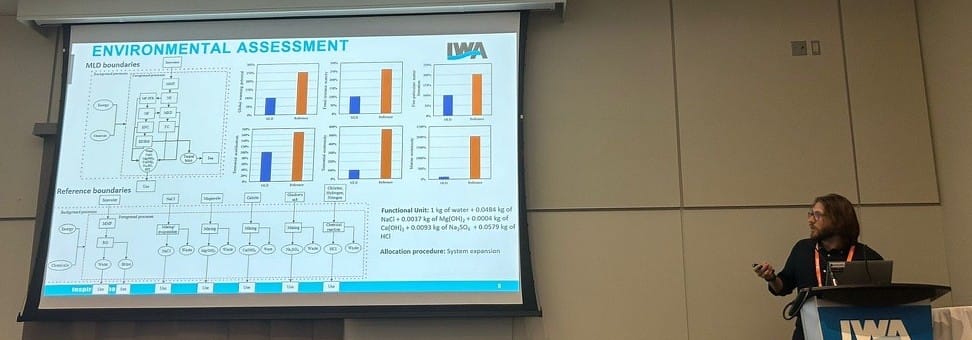
João Ribeiro, from ICL, presenting an LCA at the World Water Congress 2024 of a novel treatment system.
Why it matters
LCA and S-LCA are crucial to move PPB from a promising emerging biotechnological to a viable food and feed ingredient accepted by industry, regulators, and consumers. Our work generates trusted metrics that can inform investment decisions, shape market positioning, and support approval for novel ingredients. By identifying when and why PPB-based routes outperform conventional systems, we help ensure the project delivers tangible sustainability gains and creates a credible pathway for future commercialisation.
Team perspective
Our goal is to provide the evidence needed to move PPB beyond the lab and into the food and feed sectors with confidence. The challenge is balancing technological ambition with environmental and societal protection, but the opportunity to help provide evidence that support sustainability mechanisms, such as the EU Green Deal targets, keeps us driven.
What comes next
Our next milestone is gathering the data that will underpin our sustainability assessments. Working closely with partners running the PPB production routes, we will collect key operational metrics, including water and nutrient use to growth rates, CoQ10/carotenoid content, and energy demand alongside any economic data. These measurements will feed directly into our LCA, SLCA and circularity models, allowing us to quantify the impacts of real production systems rather than using theoretical assumptions. As the project progresses, we will refine the assessments using pilot-scale data, deepening comparisons across different feedstocks and reactor strategies, and ultimately build the evidence base needed to guide larger-scale deployment.
To further illustrate how Life Cycle Assessment can be applied in comparable bioprocess and agri-food contexts, several open-access studies by our colleague Ana provide valuable visual references. These works present clear LCA and eco-efficiency analyses of scalable, bio-based systems and offer figures that can be used to visually communicate methodological approaches and impact patterns relevant to Purple4Life, particularly in relation to process optimisation, resource use, and environmental trade-offs in emerging value chains.
To provide the best experiences on purple4life.eu, we use technologies like cookies to store and/or access device information. Consenting to these technologies allows us to process data such as browsing behaviour or unique identifiers on this website. Not consenting or withdrawing consent may adversely affect certain features and functionalities.
Functional
Always active
The technical storage or access is strictly necessary for the legitimate purpose of enabling the use of a specific service explicitly requested by the subscriber or user, or for the sole purpose of carrying out the transmission of a communication over an electronic communications network.
Preferences
The technical storage or access is necessary for the legitimate purpose of storing preferences that are not requested by the subscriber or user.
Statistics
The technical storage or access that is used exclusively for statistical purposes.The technical storage or access that is used exclusively for anonymous statistical purposes. Without a subpoena, voluntary compliance on the part of your Internet Service Provider, or additional records from a third party, information stored or retrieved for this purpose alone cannot usually be used to identify you.
Marketing
The technical storage or access is required to create user profiles to send advertising, or to track the user on a website or across several websites for similar marketing purposes.