Purple4Life is a €3.7M EU project proving purple phototrophic bacteria can turn industrial sidestreams (molasses, wastewater, CO2) into food/feed (CoQ10, carotenoids). Targets: 100 kg pilot, -50% energy, -20–40% CO2. Scope: lab→pilot→market; mission: circular bio-ingredients.
What if yesterday’s factory effluent became tomorrow’s superfood? Across Europe, that idea is moving from lab bench to pilot plant. Purple4Life is a four-year, €3.7 million initiative proving that industrial sidestreams—sugar beet molasses, fruit‑processing wastewater, even CO₂ from biogas plants—can be turned into high‑value nutrition for people and animals. The starring fact: purple phototrophic bacteria (PPB), especially purple non‑sulfur bacteria (PNSB), natural microbes that thrive on by‑products and convert them into beneficial compounds.
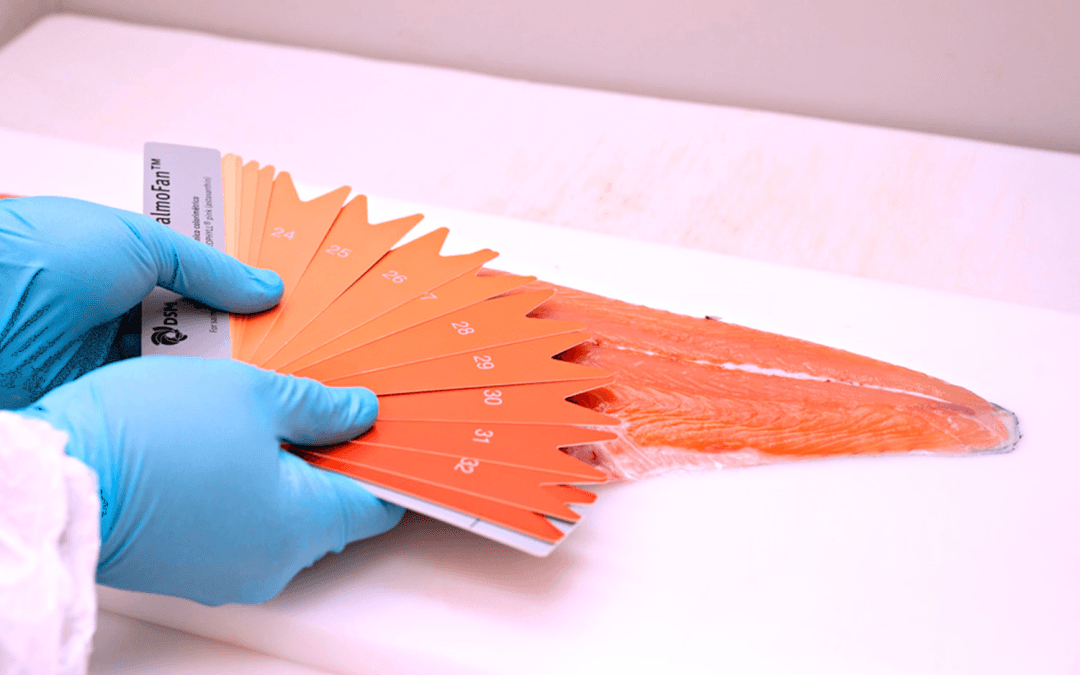
A surprising fact: PPB can produce coenzyme Q10 (CoQ10)—vital for cellular energy and linked to heart health—at levels over 100 times higher than conventional food sources. About 10 grams of PPB biomass can deliver a daily dose (~50 mg), roughly what you’d get from nearly a kilogram of sardines. They also make carotenoids, pigments that gives salmon their pink color and supports fish health—one of aquaculture’s most costly inputs.
What is Purple4Life?
Purple4Life is a European initiative and consortium of researchers, industry partners, and agri‑food stakeholders. Its core idea is simple and powerful: treat sidestreams as feedstocks, not waste. By integrating microbial biorefineries into real processing sites, the project creates a circular model that cuts disposal costs, lowers environmental impact, and brings sustainable, traceable ingredients to market.
Objectives
Purple4Life sets measurable targets that matter for industry, consumers, and policymakers:
- Introduce PPB‑based feeds and food innovating health-promoting ingredients.
- Demonstrate pilot production of 100 kg of PPB biomass (5 kg of PPB biomass per week), validating steady throughput and quality.
- Cut electricity use for PPB production by 50% through smarter lighting, reactor design, and process control.
- Reduce CO₂ emissions by 20%–40% per kilogram of PPB product versus conventional alternatives.
- Increase supply‑chain circularity for additives by 20%–50%, turning sidestreams into inputs.
- Engage 20% of consumers, demonstrating willingness to adopt PPB‑based products.
- Improve acceptance of farmed fish sector by boosting nutritional value with PPB‑derived carotenoids and reducing reliance on wild fish inputs.
- Establish PPB as a sustainable, health‑promoting ingredient platform and strengthen Europe’s leadership in bio‑based production.
Scope
The project spans lab, pilot, and market. In the lab, teams fine‑tune the “recipe” for PPB production— strain selection, temperature, pH, oxygen, light, and nutrient balance—to maximize yields of CoQ10 and carotenoids with consistency and safety. At pilot scale, partners integrate PPB processes into existing facilities, valorizing on‑site sidestreams and proving operational feasibility. On the market and policy side, Purple4Life works to improve understanding of PPB technology, regulatory pathways, and business potential across the value chain—from farmers and processors to aquaculture producers, retailers, investors, and regulators. The approach is designed to translate across Europe’s diverse agri‑food contexts.
Mission
Purple4Life’s mission is to turn waste into wealth by establishing PPB as a sustainable ingredient platform for food and feed and proving a circular model where every sidestream has purpose. By producing valuable compounds locally and efficiently, the project aims to make nutrition more affordable and traceable while cutting waste, energy use, and emissions. It also strengthens resilience: domestic bio‑manufacturing reduces import dependence and cushions supply shocks.
Why it matters
For processors, sidestreams shift from disposal costs to revenue opportunities. For aquaculture, PPB‑derived carotenoids can stabilize costs, improve traceability, and lower reliance on synthetic or resource‑intensive inputs—helping consumers feel better about choosing farmed fish. For consumers, CoQ10 and carotenoids become more accessible and transparently sourced. And for the planet, every kilogram produced without expanding farmland eases pressure on soils, water, and biodiversity.
In short, Purple4Life is a practical blueprint for a circular food economy—where microbes become makers, sidestreams become resources, and sustainability and competitiveness go hand in hand.
By Salim Kichouh Aiadi (UMONS)